
Let’s cut to the chase: not all Glasgow postcodes are created equal when it comes to rental yields. While some landlords are watching their West End flats appreciate in value but deliver lacklustre 5% returns, others are quietly banking 8-9% yields in areas most investors overlook.
With the 8% Additional Dwelling Supplement (ADS) now baked into every Scottish property purchase, the margin for error has shrunk. You can’t just buy any Glasgow flat and expect the numbers to work anymore. You need to be strategic, data-driven, and frankly, a bit savvy about where the real money is being made.
So let’s break down the Glasgow rental market as it stands in 2026, postcode by postcode, yield by yield.
The Top Performers: Where Glasgow Landlords Are Actually Winning
Here’s what the data is telling us right now:
| Postcode | Area | Average Yield | Average Property Price |
|---|---|---|---|
| G67 | Cumbernauld | 9.30% | £85,000–£95,000 |
| G1 | City Centre | 8.70% | £166,900 |
| G2 | City Centre | 8.60% | £170,000–£180,000 |
| G52 | Govan | 8.50% | £95,000–£110,000 |
| G40 | Dennistoun/Parkhead | 8.40% | £105,000–£120,000 |
These aren’t theoretical numbers or “best case scenarios”, these are actual yields being achieved by landlords operating in these postcodes right now.
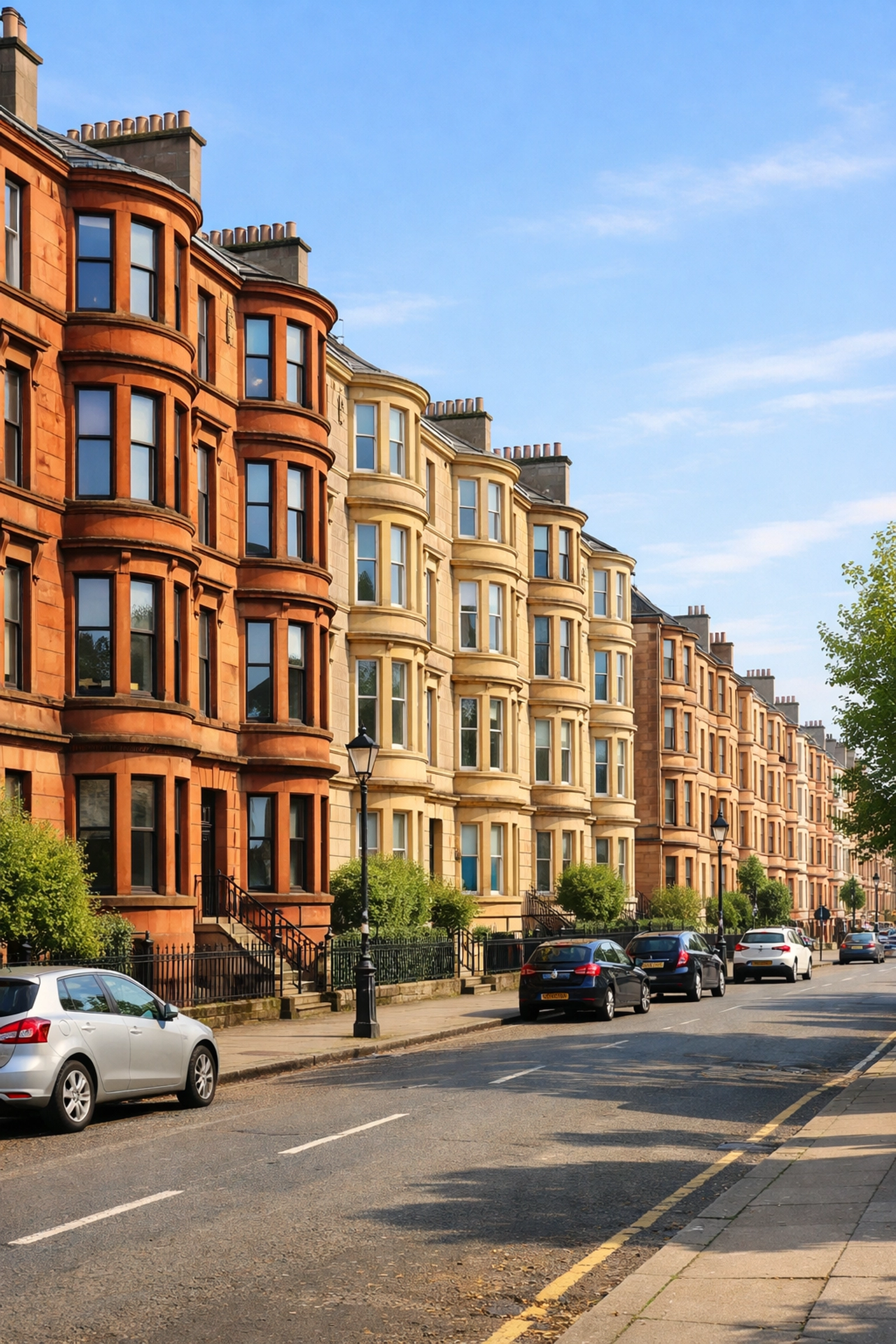
G31 & G40: Dennistoun’s Double Act
Dennistoun (primarily G31, with some G40 overlap near Parkhead) is having a moment. This East End neighbourhood has transformed from “overlooked” to “on everyone’s radar” in the past few years.
Why it works:
- Strong tenant demand from young professionals priced out of the West End
- Excellent transport links (Duke Street, Alexandra Parade, multiple bus routes)
- Characterful tenement flats that photograph beautifully (important for attracting quality tenants fast)
- Entry prices around £105,000–£130,000 for a decent 2-bed
You’re looking at 8.4% gross yields on average, but we’ve seen Top Floor clients hit 9%+ on well-chosen properties with a bit of cosmetic renovation.
The catch? Stock moves fast here. If you see a good deal in Dennistoun, you need to act within 48 hours or it’s gone.
G32: Shettleston’s Quiet Comeback
Shettleston doesn’t have Dennistoun’s Instagram appeal, but it has something better: consistent, reliable yields averaging 7.2% on properties that cost £108,000 on average.
This is deep East End territory, and it’s been undergoing serious regeneration over the past decade. The Commonwealth Games legacy projects didn’t just impact Dalmarnock, the ripple effect reached Shettleston, Tollcross, and the surrounding areas.
What landlords like about G32:
- Low entry prices (you can still find 2-beds under £100,000)
- Solid rental demand from working families and local employment
- Manageable renovation costs compared to West End period properties
- Less competition from other investors (for now)
The trade-off? Capital appreciation is slower here than in G31 or the city centre. This is a “yield play,” not a “flip in three years” strategy.
G51 & G52: Govan’s Investor Appeal
Govan (G51 and G52) is doing something interesting. While gentrification has swept through Finnieston and Partick, Govan has remained stubbornly affordable, and that’s exactly why yields are sitting at 8.5%.
Why Govan works in 2026:
- Proximity to the city centre (15 minutes to Central Station)
- Riverside regeneration continues to attract investment
- Strong local employment (shipyards, NHS, public sector)
- Average property prices between £95,000–£110,000
We’re seeing a lot of accidental landlords (people who inherited Govan properties) finally deciding to sell, which means there’s decent stock available, if you know where to look.

G21: Springburn’s Hidden Potential
Springburn is the postcode that divides opinion. Some investors won’t touch it. Others are quietly building portfolios there.
The numbers don’t lie: yields are consistently above 7.5%, and entry prices are among the lowest in Glasgow (£80,000–£100,000 for a 2-bed tenement).
The Springburn reality check:
- High yields, but higher tenant turnover than other areas
- Excellent transport links (Springburn station, M8 access)
- Lower-income tenant demographic (which isn’t a negative, just a different management approach)
- Requires active landlord involvement or a really good letting agent
This isn’t a “passive investment” postcode. But for hands-on landlords who screen tenants properly and maintain their properties well, Springburn delivers.
The West End Reality: Capital Growth vs. Cash Flow
Let’s talk about the elephant in the room: Glasgow’s West End (G11, G12, G13, G20).
Yes, these postcodes are beautiful. Yes, they’re trendy. Yes, they command high rents. But here’s the uncomfortable truth for cash-flow-focused investors:
| Postcode | Area | Average Yield | Average Property Price |
|---|---|---|---|
| G11 | Partick/Hyndland | 6.5% | £180,000–£220,000 |
| G12 | Kelvinside/Hillhead | 5.5% | £240,000–£280,000 |
| G13 | Anniesland/Knightswood | 6.1% | £160,000–£190,000 |
West End properties are capital growth plays, not yield plays.
If you’re buying in G12, you’re betting on long-term appreciation: the property increasing in value over 10-15 years. You’re not buying for the 5.5% yield, because frankly, that barely covers your mortgage after the 8% ADS, legal fees, and renovation costs.
When does the West End make sense?
- You’re a long-term holder (10+ years)
- You have significant cash reserves (West End tenants expect high standards)
- You’re buying below market value (probate sales, off-market deals)
- You value low tenant turnover and minimal void periods
For everyone else? The East End and South Side are where the money is being made in 2026.

The 8% ADS Factor: How It Changes Everything
Here’s the calculation that every Glasgow landlord needs to run before buying in 2026:
Example: £120,000 property in Dennistoun (G31)
- Purchase price: £120,000
- ADS (8%): £9,600
- Legal fees: £1,500
- Renovation (light): £5,000
- Total investment: £136,100
If you’re achieving an 8.4% gross yield, that’s £10,080 annual rent (£840/month). After mortgage costs, management fees, and maintenance, your actual cash-on-cash return might be 5-6%.
Now compare that to a G12 property:
- Purchase price: £250,000
- ADS (8%): £20,000
- Legal fees: £2,000
- Renovation (period property): £12,000
- Total investment: £284,000
Even at £1,200/month rent (£14,400/year = 5.76% gross yield), your cash-on-cash return after costs? Maybe 2-3%.
The ADS doesn’t just add cost: it exposes weak deals. High-yield areas can absorb the tax hit. Low-yield, high-capital-growth areas? They’re struggling to make the numbers work for landlords who need actual cash flow.
How Top Floor Estate Agents Helps Glasgow Landlords
Whether you’re buying into these high-yield postcodes or selling a Glasgow portfolio that’s no longer performing, we’ve helped dozens of landlords navigate this exact market.
For buyers:
We know which streets in G31 are gold and which are gambles. We know the Govan properties that’ll rent in 7 days vs. 7 weeks. And we use drone footage, professional photography, and video walkthroughs to help you assess properties remotely: because the best deals don’t last long enough for leisurely viewings.
For sellers:
If you’re holding a Glasgow property that’s delivering 4-5% yields and you’re tired of the hassle, we can help you exit smoothly with our no sale, no fee approach. We’ve sold tenanted properties, vacant properties, and everything in between: and our professional marketing gets Glasgow homes in front of the right buyers (including investors who understand the yield story).
Explore our current Glasgow properties or get in touch for a no-obligation chat about your next move.
The Bottom Line for 2026
Glasgow’s rental market is stratified. The West End is for capital growth. The East End and South Side are for yield. The city centre is for both (if you can find the right deal).
With the 8% ADS forcing every investor to sharpen their pencil, you can’t afford to buy in the wrong postcode anymore. G31, G32, G51, G52, and G21 are where Glasgow landlords are actually making money in 2026: not just treading water or hoping for appreciation.
If you’re serious about building a Glasgow portfolio (or offloading one that’s underperforming), the data is clear: location matters more than ever.
Ready to talk numbers on a specific Glasgow property? Whether you’re buying or selling, Top Floor Estate Agents brings professional marketing, transparent fees, and deep local knowledge to every deal. Get in touch with us today and let’s find out what your next move should be.